Project Specs
- Location: Maui, Hawaii
- Project Type: Residential
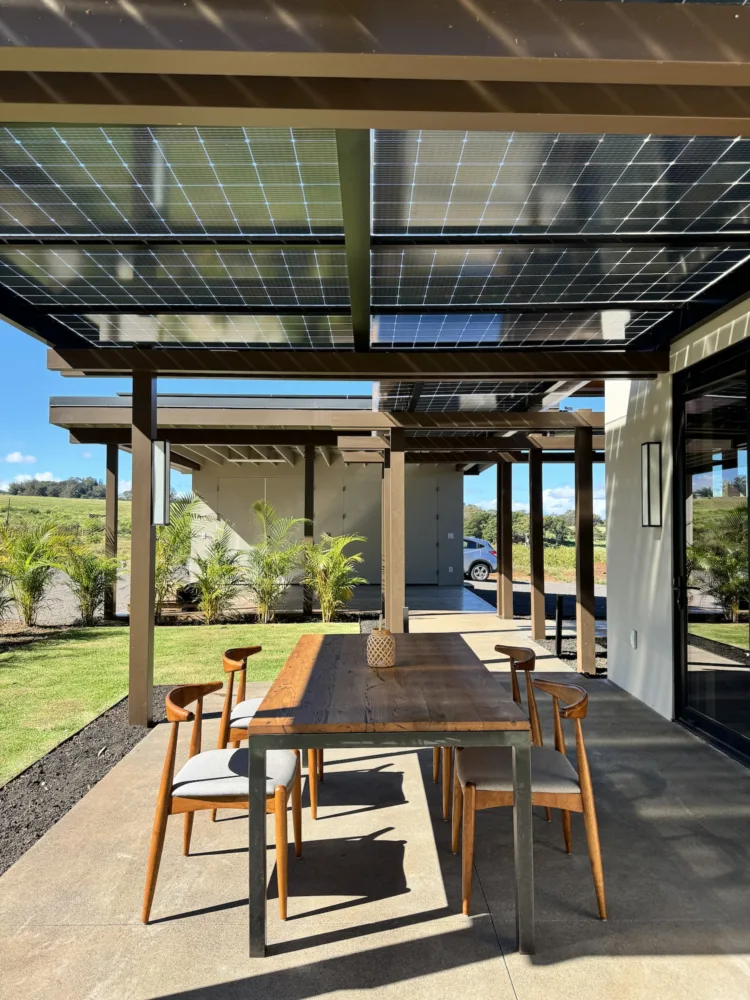
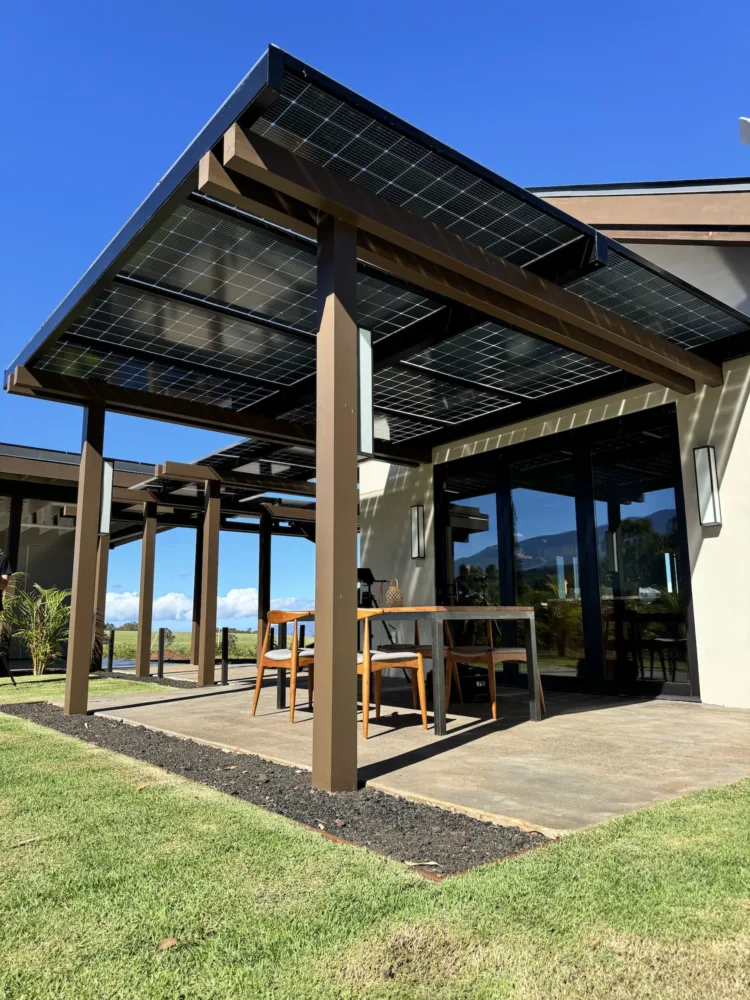
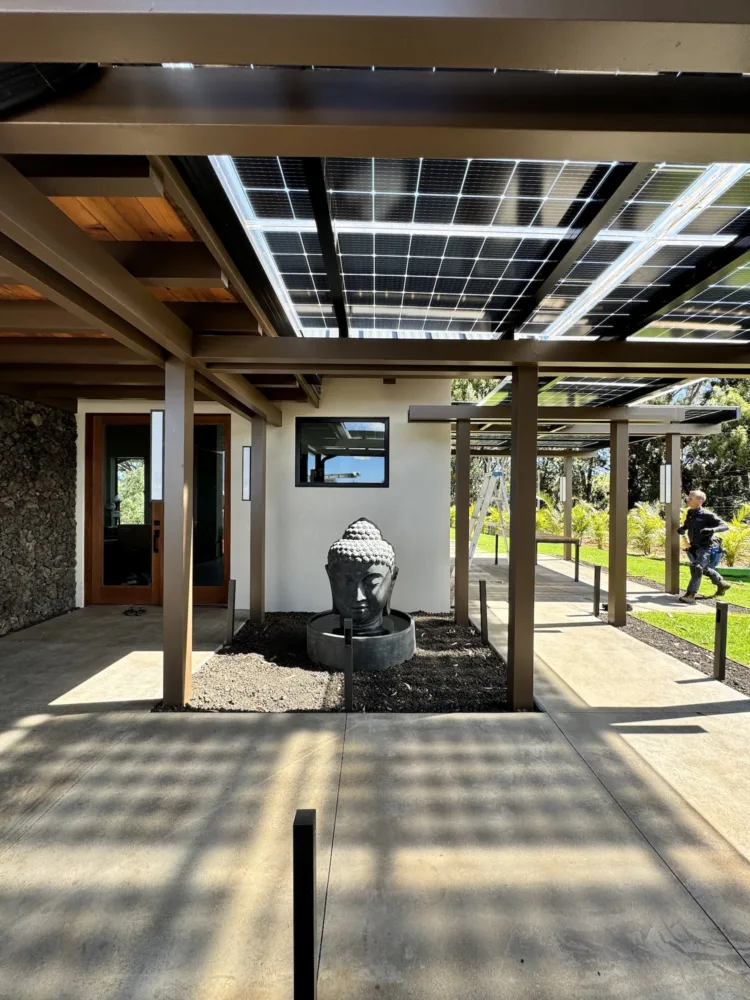
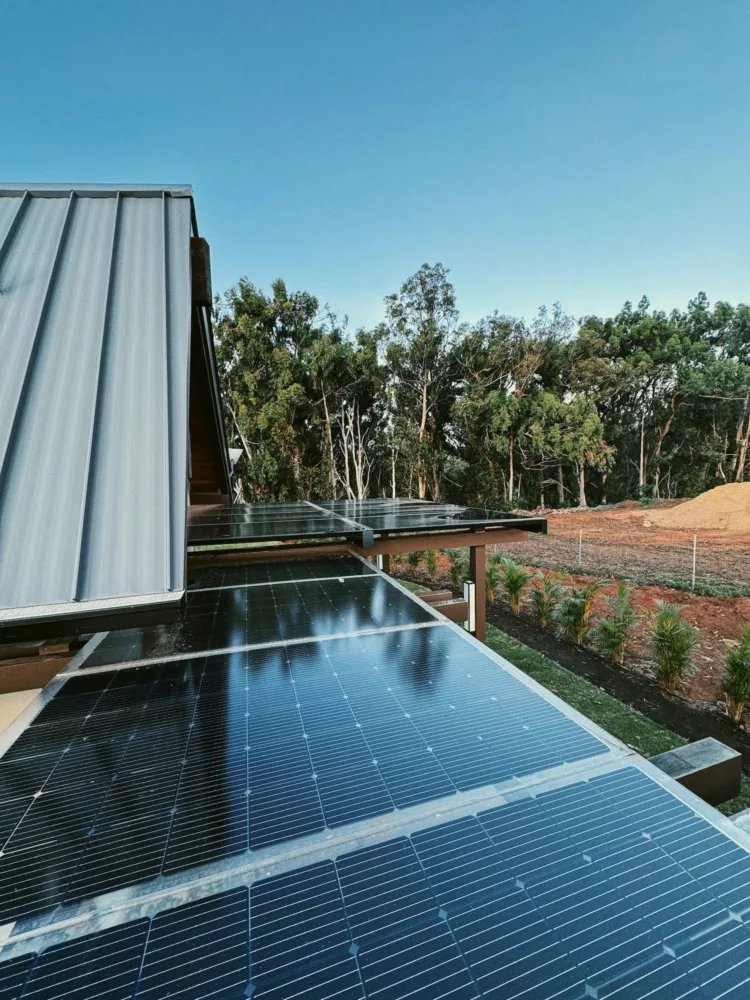
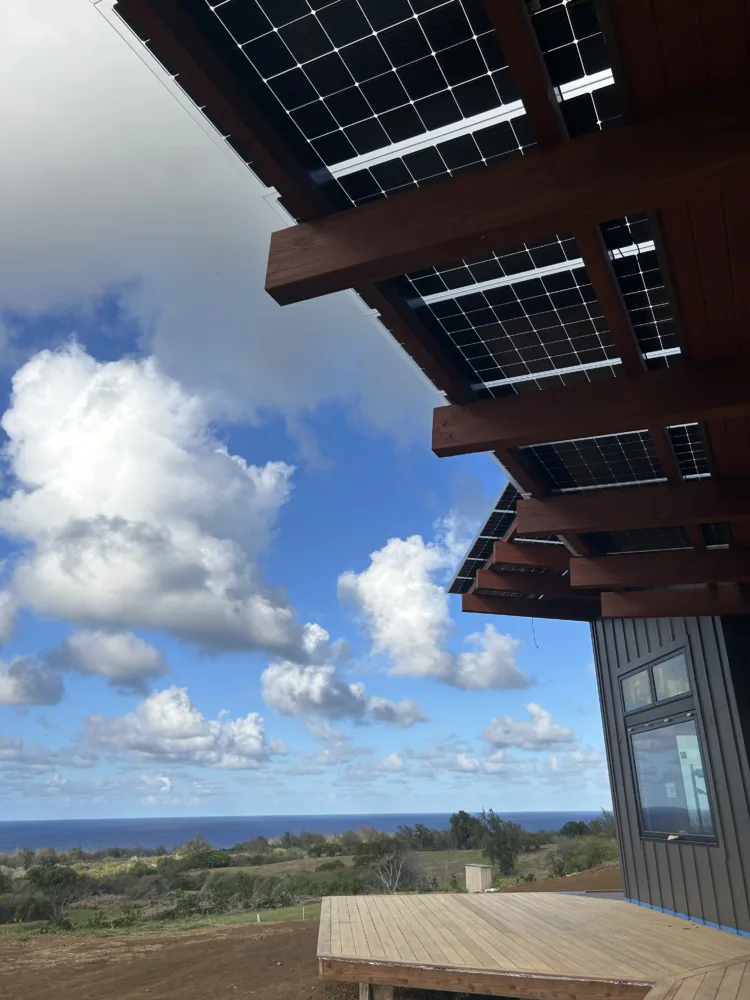
- System Type: Solar Awnings Solar Entryway Solar Walkways SolarZone
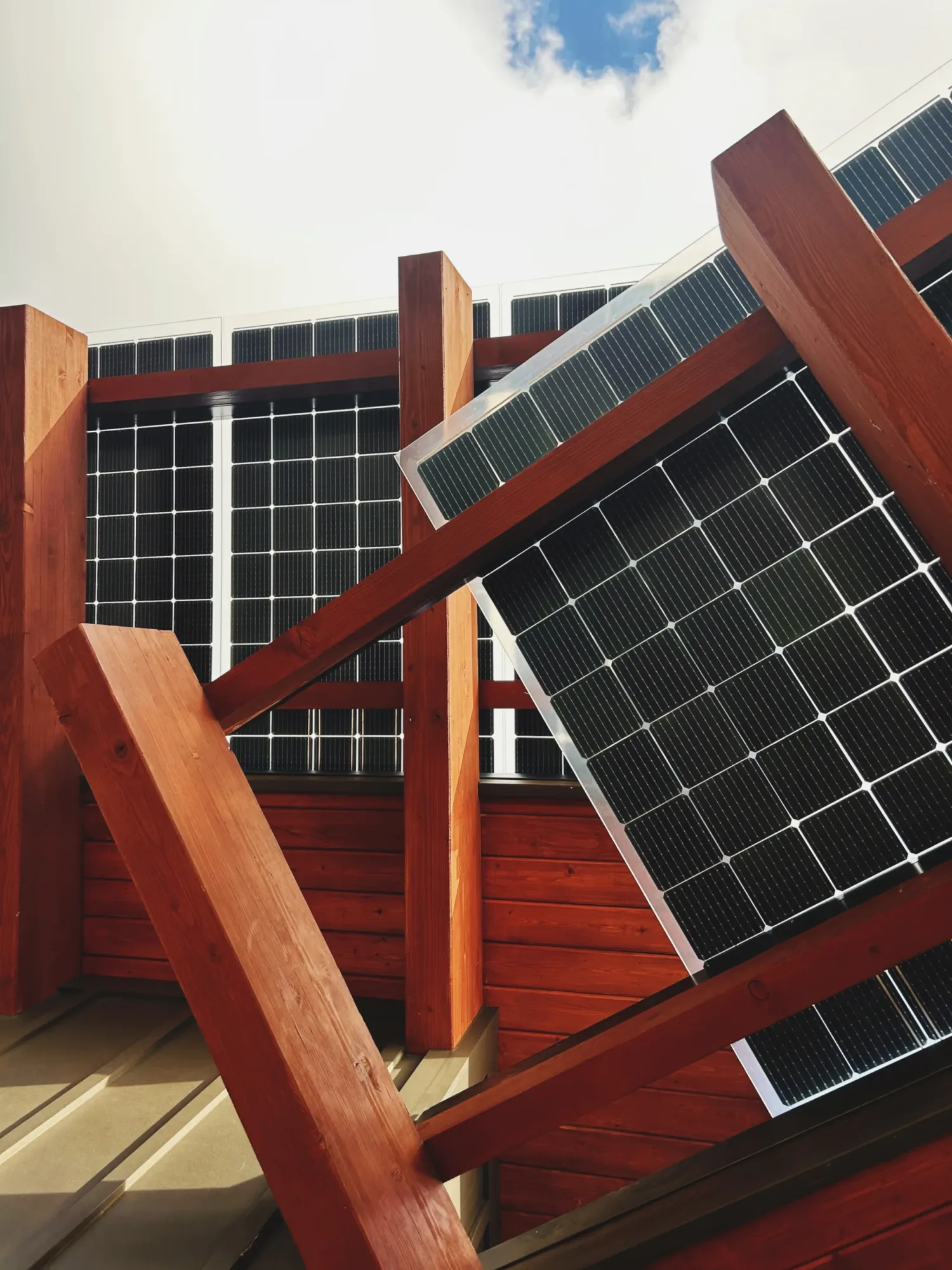
- Module Type: LSX Vision
- Installer: Hawaii Off Grid
Hawaii Off Grid (HIOG) approaches design differently. They are setting a new standard by treating renewable energy as a core element of their architecture rather than an afterthought. Since their foundation in 2015, Hawaii Off Grid’s projects have prioritized net-zero design. Without compromising aesthetics, their buildings offset as many emissions as they produce. Lumos has built a harmonious partnership with Hawaii Off Grid based on a shared commitment to the thoughtful integration of renewable energy into visually appealing design.
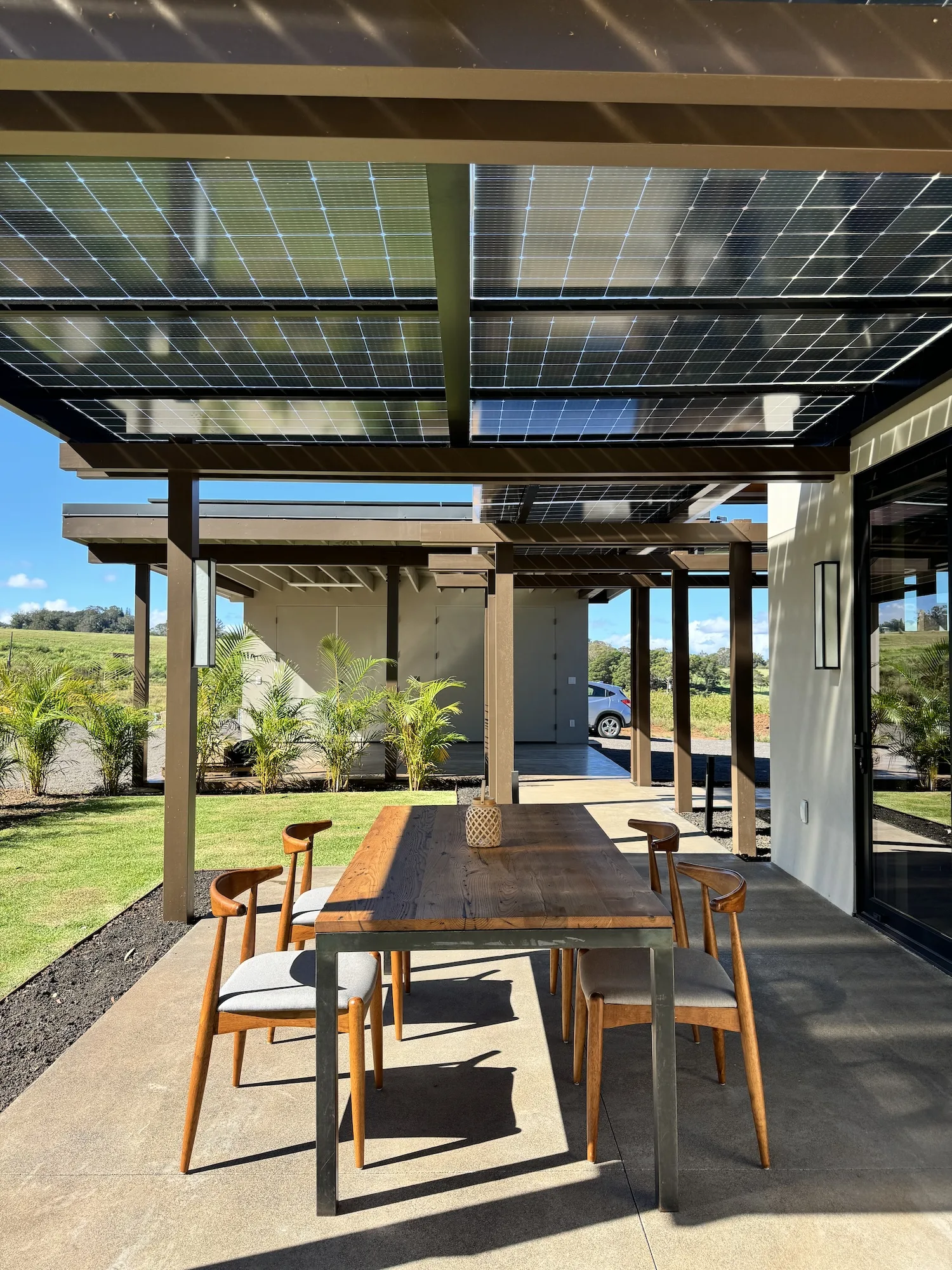
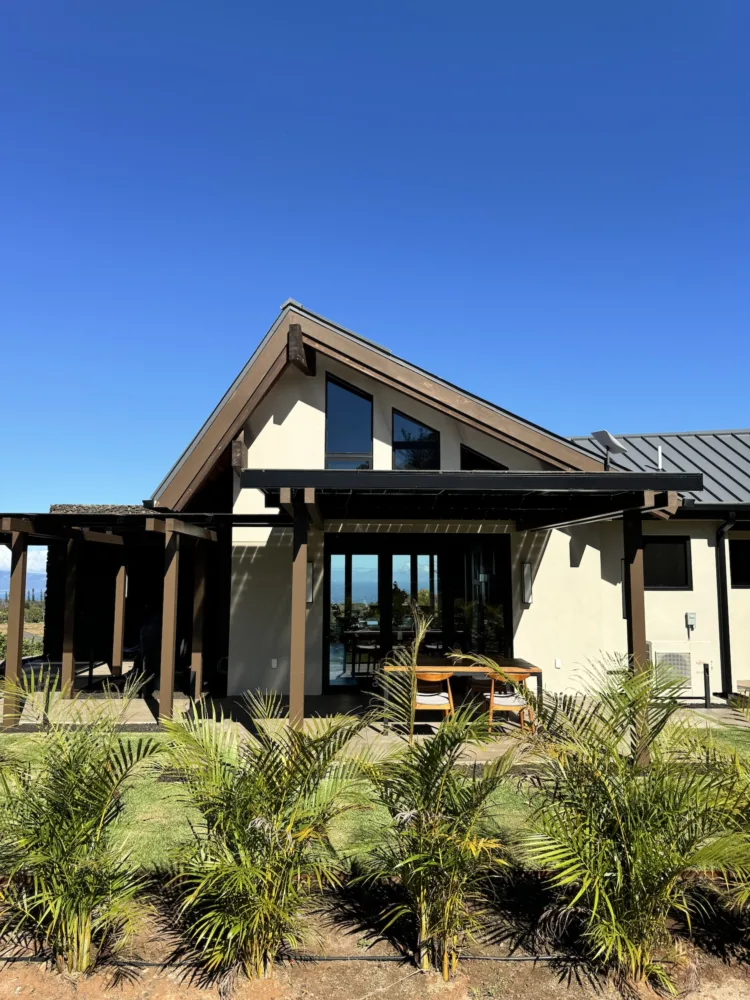
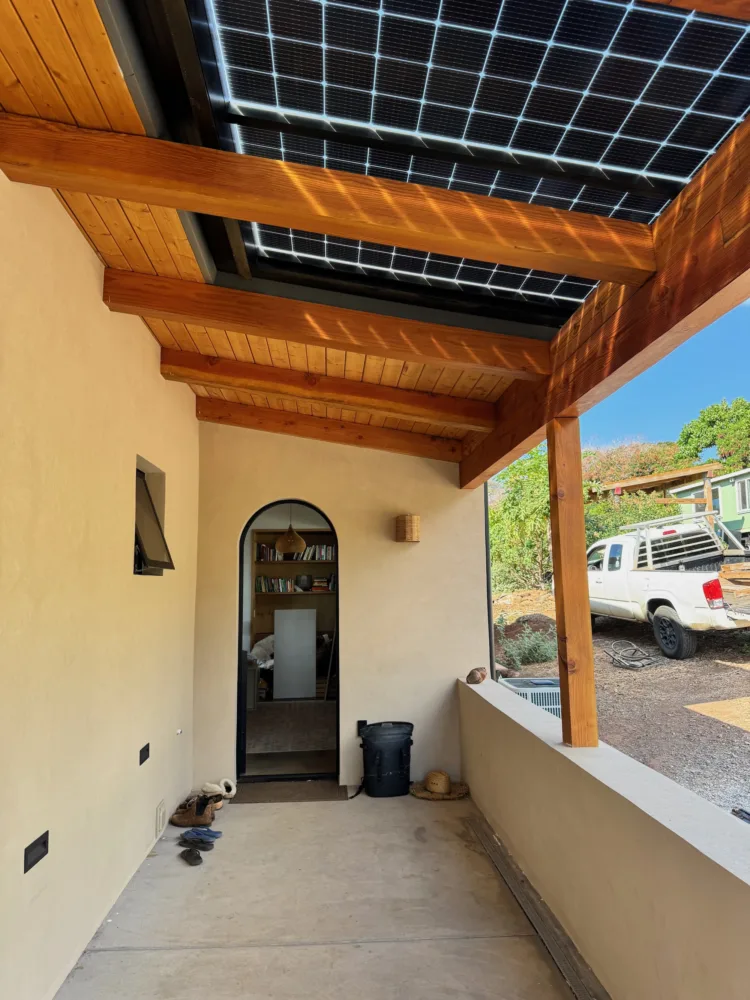
Kupono Hale – Maui, HI
Exterior spaces are central to how people live, gather with one another, and treat the natural world. Specializing in energy services and off-grid water systems uniquely positions HIOG to protect outdoor spaces through their builds. Their team works to honor the nature we occupy with each element of design – using clean energy solutions to facilitate between the natural and built environments.
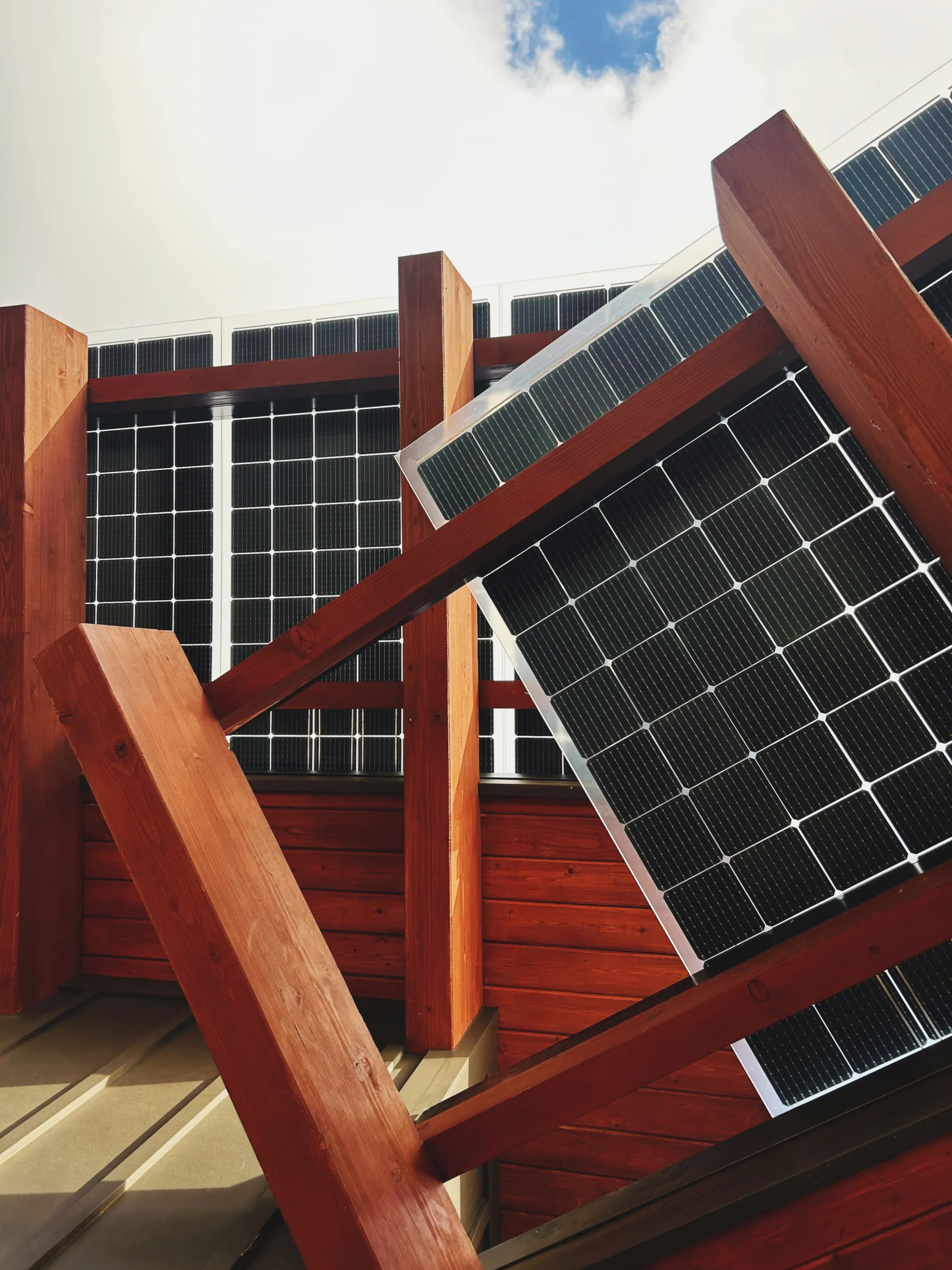
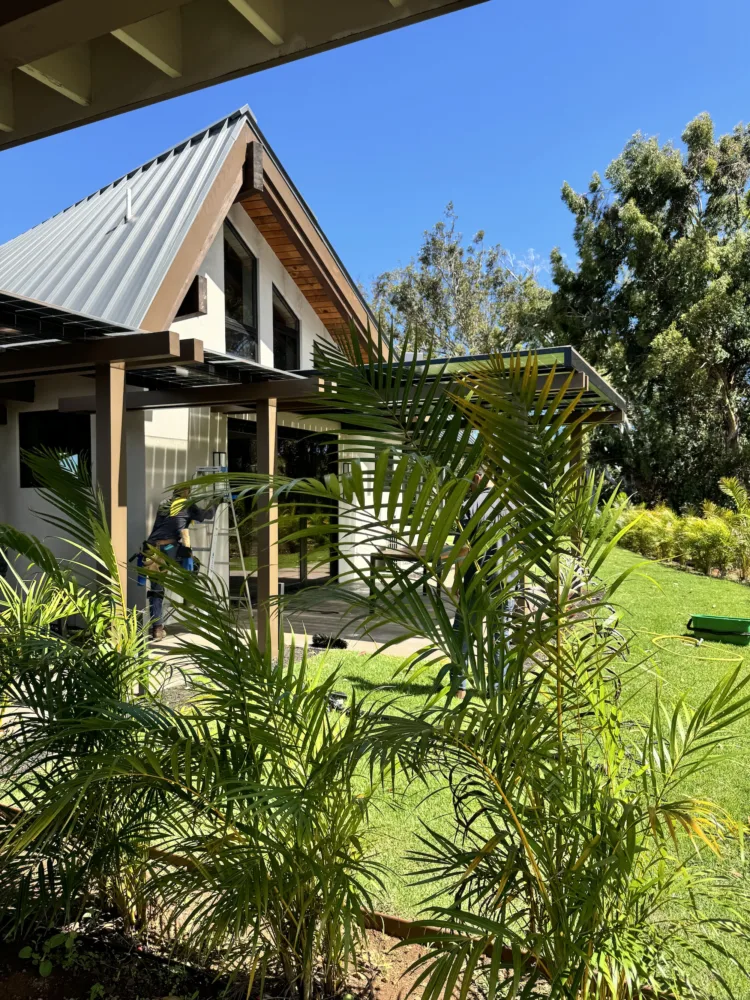
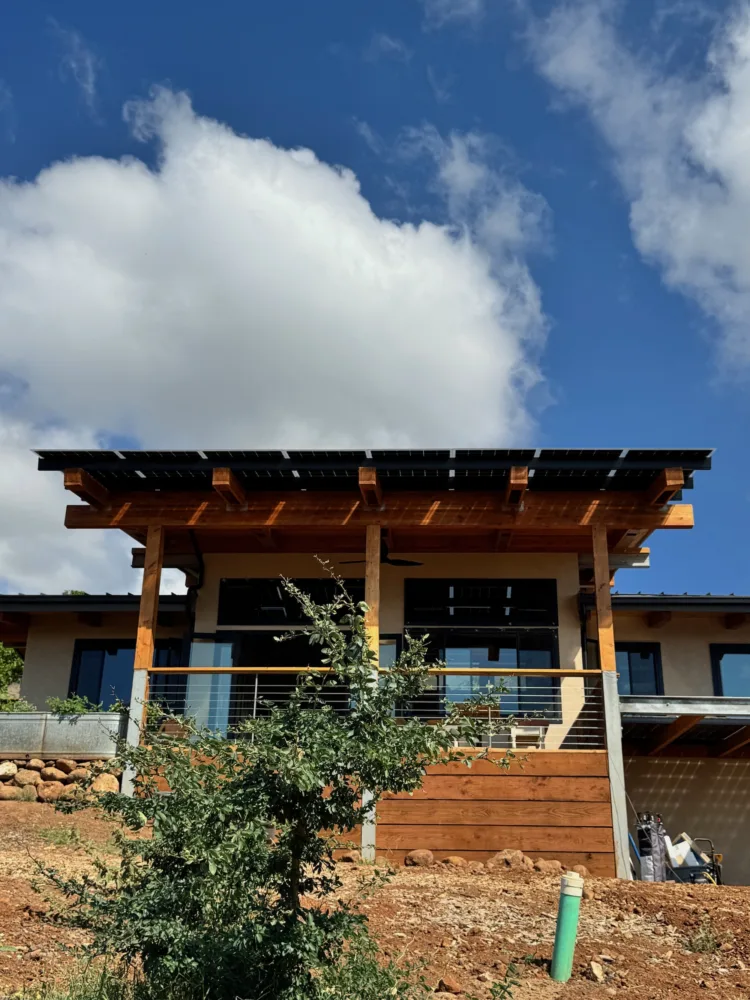
Current Project – Island of Hawai’i, HI
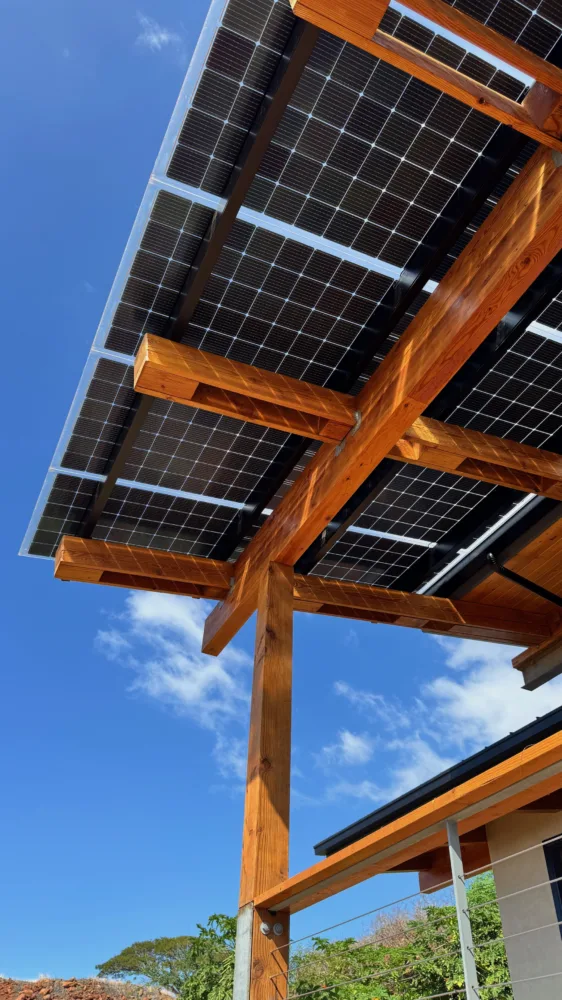
Lumos’ solar shade structures move beyond traditional roof or ground mounts. This allows for solar that doesn’t compete with architecture, but complements it, enhancing usability while contributing to long-term sustainability goals. So that HIOG, and other sustainably driven designers, can build beautiful, clean energy producing spaces.
If we’re serious about addressing climate change, all buildings need to move toward net-zero energy. Overhead solar gives us a powerful tool to do that—especially in dense, urban, and community-focused environmentsDavid Sellers, Hawaii Off Grid
David Sellers, Co-Founder and Principal Architect of Hawaii Off Grid, dedicates his practice to designing for our future. He believes: “If we’re serious about addressing climate change, all buildings need to move toward net-zero energy. Overhead solar gives us a powerful tool to do that—especially in dense, urban, and community-focused environments”. His position on the Board of Habitat for Humanity Maui creates opportunity for accessible sustainability, which is not often seen. A champion for his community, David has developed the largest architectural and engineering firm on Maui, and continues to uphold the integrity of HIOG’s foundation.
Lumos stood out immediately for its elegant approach to overhead solarDavid Sellers, Hawaii Off Grid
In the search for clean energy that felt intentional rather than supplementary, “Lumos stood out immediately for its elegant approach to overhead solar,” says David Sellers. Lumos offered a way to treat solar as a core design element. The Lumos and HIOG teams have collaborated on five projects since then. One of which was recently recognized with the Metropolis Planet Positive Award. Kūpono Hale stands as a compelling example of what’s possible when sustainability, architecture, and renewable energy are aligned from the start.
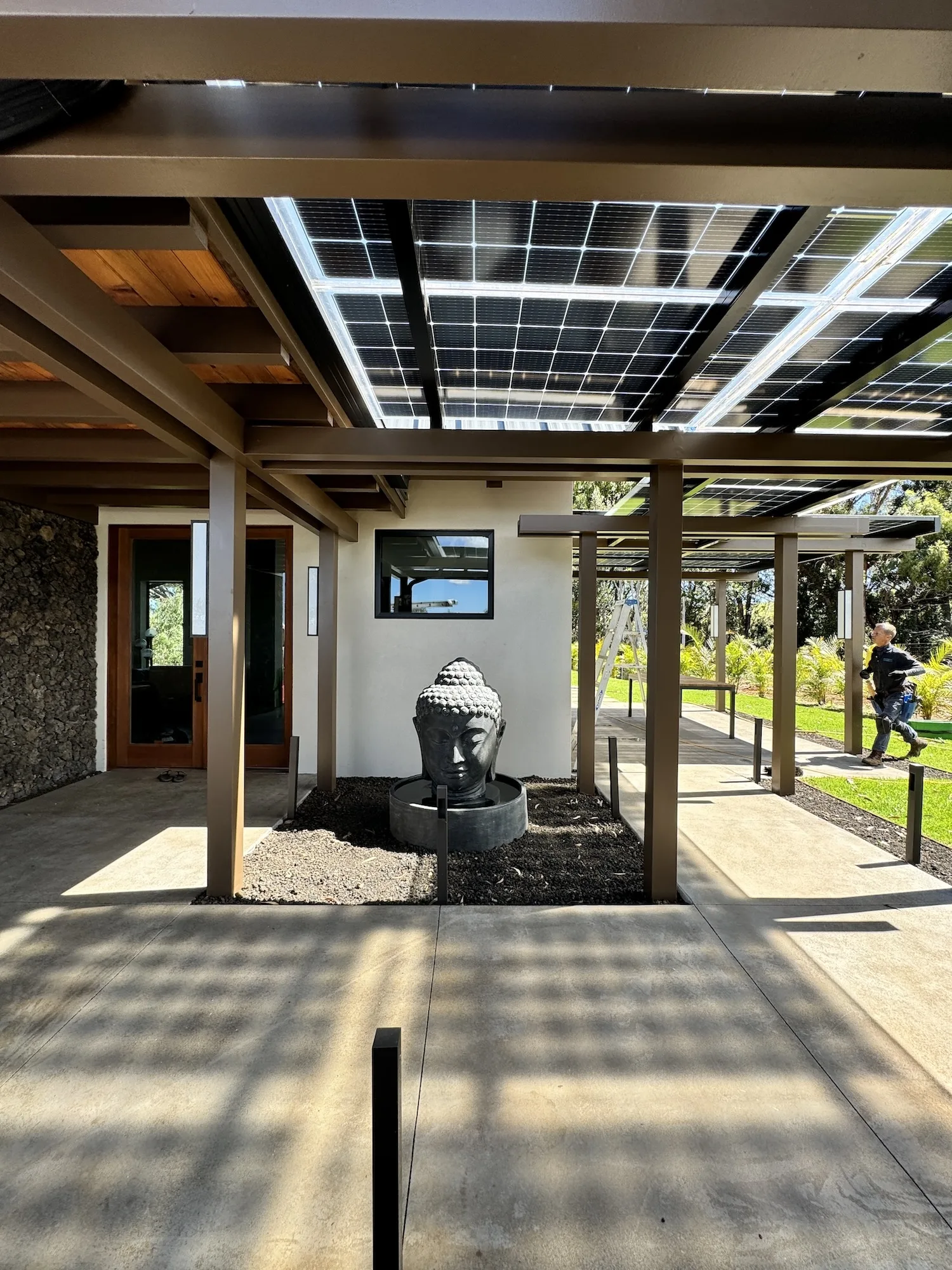
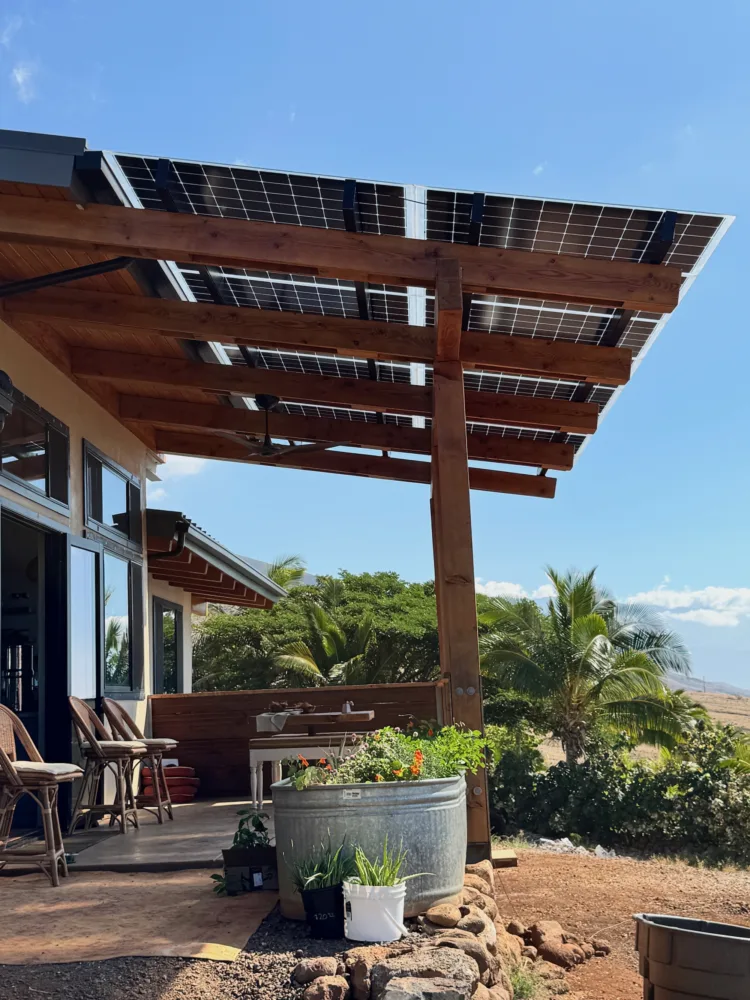
Kupono Hale – Maui, HI
Solar can do more than produce energy – if given the chance. With designers like those at Hawaii Off Grid and Lumos, solar becomes a statement about the kind of future we want to build. Both of our teams understand renewable energy works best when it is integrated into the design language. That shared philosophy is what anchors the partnership with Lumos. Together, we are redefining how solar shows up in the built environment.
It truly feels like a partnershipDavid Sellers, Hawaii Off Grid
Equally important to the work is the process. Hawaii Off Grid values strong communication and collaboration, and their partnership with Lumos reflects that. From early design conversations to project execution, the relationship is defined by responsiveness, shared problem-solving, and mutual respect. We can all agree that “It truly feels like a partnership”.
The harmony between designers committed to clean design and architectural renewable elements can be a catalyst for communities who are prioritizing sustainability in their neighborhoods. With five upcoming Lumos / HIOG collaborations ranging from educational facilities to residential homes, the team continues to explore the adaptability of overhead solar across scales and contexts. Each new project reinforces a simple idea: renewable energy doesn’t have to be hidden or compromised to be effective. Hawaii Off-Grid and Lumos demonstrate, solar can be an integral part of architecture and the sustainable future we are all building toward.